
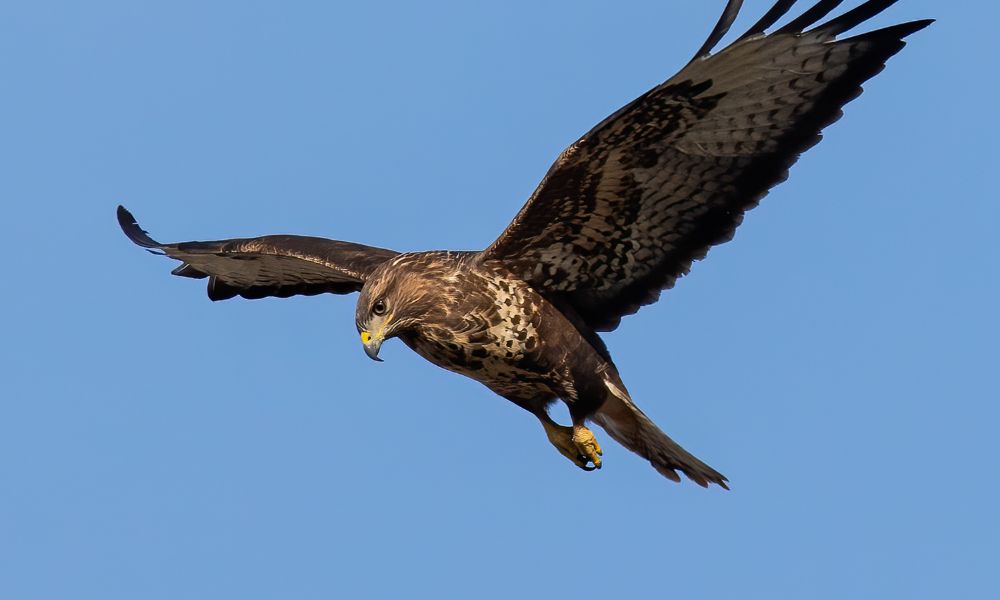
We’re excited to share the results of our 2024 bird survey, conducted by dedicated volunteers from Volunteer Monitoring of Farm Wildlife. This annual survey gives us a snapshot in time of what types of bird were spotted, and helps us understand the biodiversity on our farm to identify areas where we can make a positive impact.
A Diverse Ecosystem
Our farm proved to be a haven for a variety of bird species, with a total of 34 different species spotted during the surveyor’s visit. Among these, 20 were classified as green list species, indicating a healthy population. However, we also identified 7 amber list species and 7 red list species, highlighting the need for continued conservation efforts.

Birds of Concern
We are delighted that some of the at-risk species below were found on the farm during the survey because it shows that our work to support the environment is working.
- Starling: These beautiful birds have experienced significant population declines.
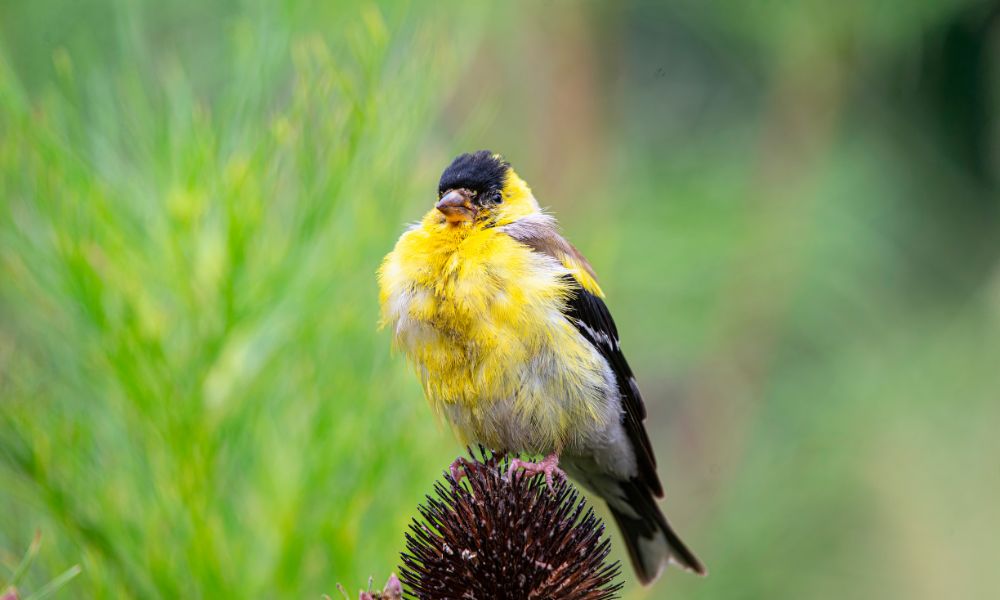
- Greenfinch: Facing threats from disease, greenfinches need our support.
- Yellowhammer: A charming bird with a distinctive song, yellowhammers are experiencing habitat loss.
- Skylark: These birds are iconic symbols of our countryside, but their numbers are dwindling.
- Linnet: A small but vibrant bird, linnets are also in decline.
- Mistle Thrush: A powerful songbird, mistle thrushes are facing challenges.
- Spotted Flycatcher: These acrobatic birds are becoming increasingly rare.
We know that other species exist on the farm, for example egrets. The Little Egret, in particular, has seen a significant increase in numbers and distribution across the UK over the past few decades, largely due to successful conservation efforts and habitat protection.
Our Commitment to Wildlife
At Rookery Farm, we’re committed to creating a thriving environment for all creatures, including our feathered friends. We’ll continue to implement sustainable practices and habitat enhancements to support these species and ensure a brighter future for them.
You can learn more about our environmental initiatives and animal welfare practices on our Environment and Welfare page.
We’re grateful to the volunteers who dedicated their time to conducting this survey. Their efforts provide invaluable insights that help us make a positive difference.